Port O'Connor TX の釣りコンディション
 07:25
07:25
 19:12
19:12
食いつきスコア

釣りに最適な時間は 夜, 朝 と 午後 です
- 02:00
- 05:00
- 08:00
- 11:00
- 14:00
- 17:00
- 20:00
- 23:00


現在、10月 5
5:43 PM


湿度
33%UV指数
0低雲量
0%視程
24km月の出
01:02AM月
 新月
新月
-
Port O'Connor TX の本日のソルナー釣り活性レポート
ソルナー予報によると、Port O'Connor TX(United States)の現在の釣りの活性は中程度で、食いつきスコアは普通です。
今後 6 日間で魚の活性が最も高くなるのは 金曜日(ピークは 2 PM), 土曜日(ピークは 2 PM) と 今日(ピークは 11 AM) です。Port O'Connor TX で釣りをするのに最適なタイミングです。
-
大気の状況
気温は 81°F(27°C)です。本日の日の出: 07:25 AM、日の入り: 07:12 PM。天候から空は快晴です。
現在のUV指数は 0(Low)です。
風は北から 13.6 mph(6.1 m/s)で吹き、突風は 20.5 mph(9.15 m/s)に達します。気圧は 30 inHg(762 mmHg)です。
-
月相
現在の月相は新月で、月の出は 1:02 AM、月の入りは 3:39 PM です。
このスポットについて
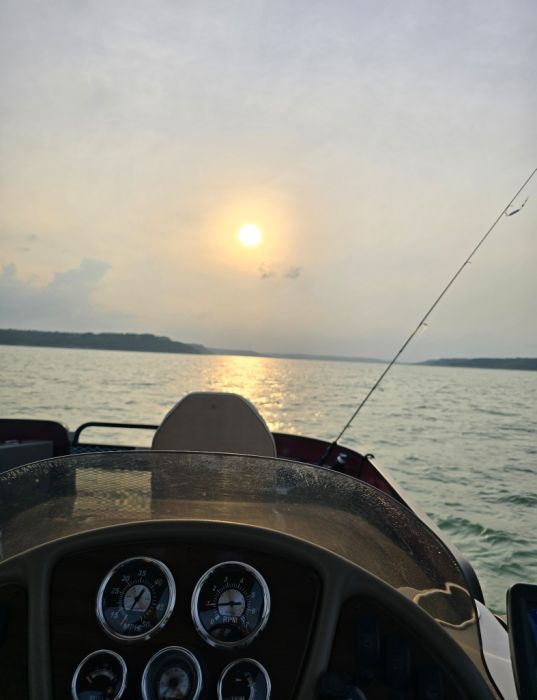
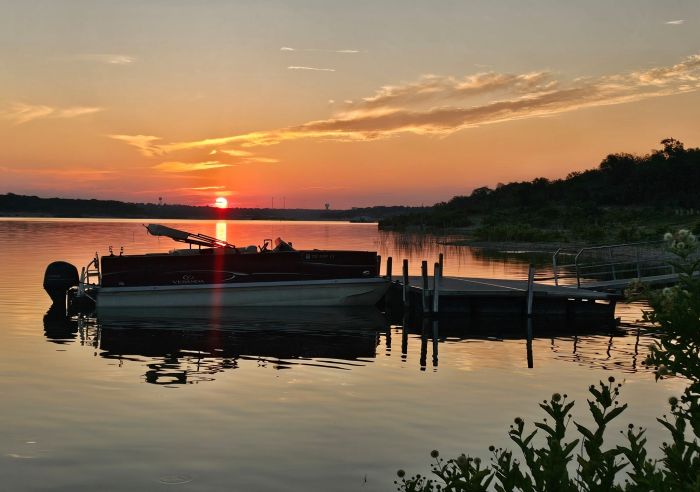

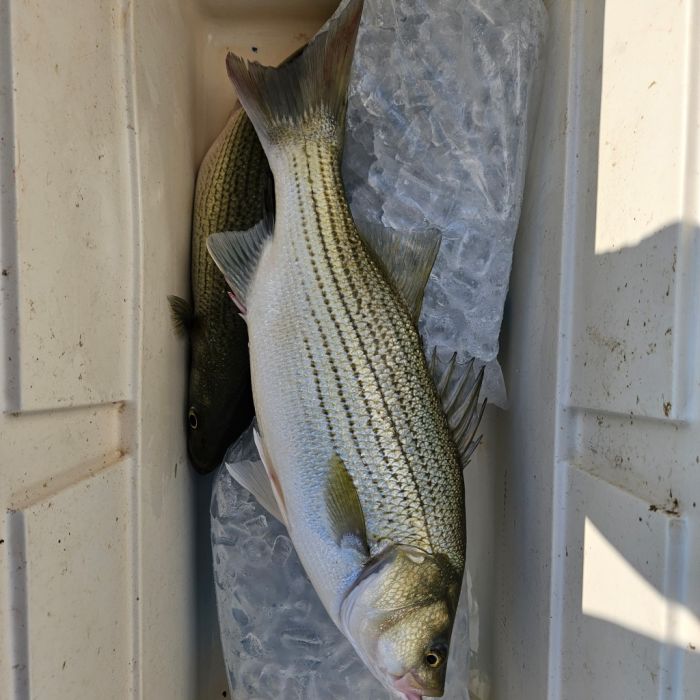




-
Port O'Connor TX の本日のソルナー釣り活性レポート
ソルナー予報によると、Port O'Connor TX(United States)の現在の釣りの活性は中程度で、食いつきスコアは普通です。
今後 6 日間で魚の活性が最も高くなるのは 金曜日(ピークは 2 PM), 土曜日(ピークは 2 PM) と 今日(ピークは 11 AM) です。Port O'Connor TX で釣りをするのに最適なタイミングです。
-
大気の状況
気温は 81°F(27°C)です。本日の日の出: 07:25 AM、日の入り: 07:12 PM。天候から空は快晴です。
現在のUV指数は 0(Low)です。
風は北から 13.6 mph(6.1 m/s)で吹き、突風は 20.5 mph(9.15 m/s)に達します。気圧は 30 inHg(762 mmHg)です。
-
月相
現在の月相は新月で、月の出は 1:02 AM、月の入りは 3:39 PM です。
アーカイブ
このスポットについて
コメント 1
-
WAWindy AI 08 July 2026Port O'Connor in Calhoun County, Texas, is a world-class central Texas coast fishing village renowned among serious anglers for its exceptional red drum and trophy speckled trout fishing in the pristine Espiritu Santo Bay, one of the most productive and least-pressured bay systems on the Texas Gulf Coast. Spot Features: Port O'Connor in Calhoun County, Texas, is a small fishing village on the central Texas coast at the entrance to Espiritu Santo Bay and the eastern Matagorda Bay system, a world-class destination for trophy-size speckled trout and redfish fishing on the pristine Espiritu Santo Bay and the adjacent Matagorda Island bays. Seasonality: Red drum and spotted seatrout are the primary inshore targets at Port O'Connor in Calhoun County, Texas, on Espiritu Santo Bay and Matagorda Bay, year-round, with redfish best in fall and seatrout most productive in spring and fall. Flounder are a fall-run species. Black drum and jack crevalle are warm-season species.