29.06.2026 (Monday)
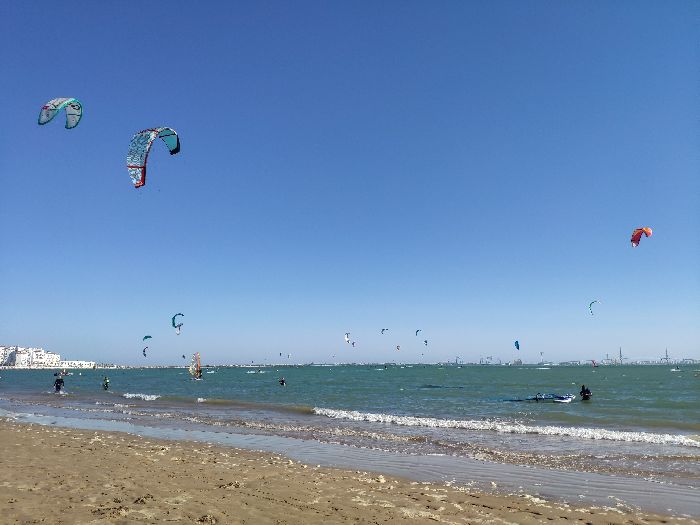
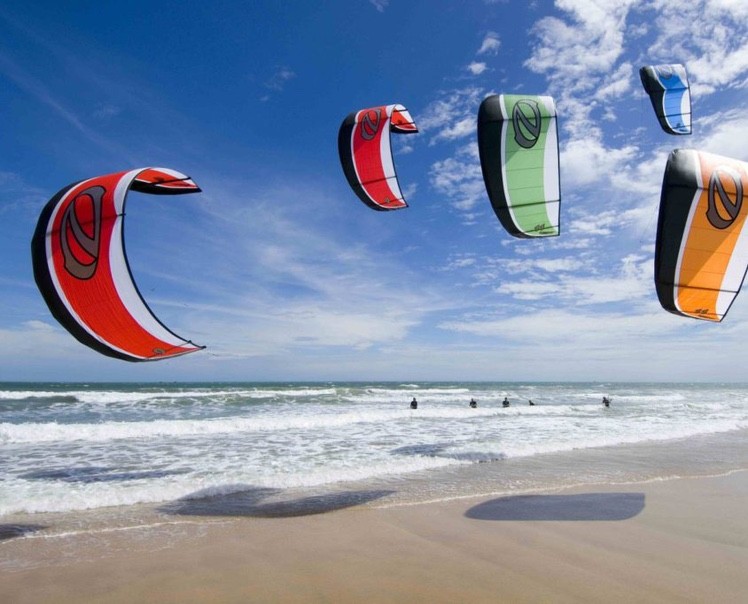
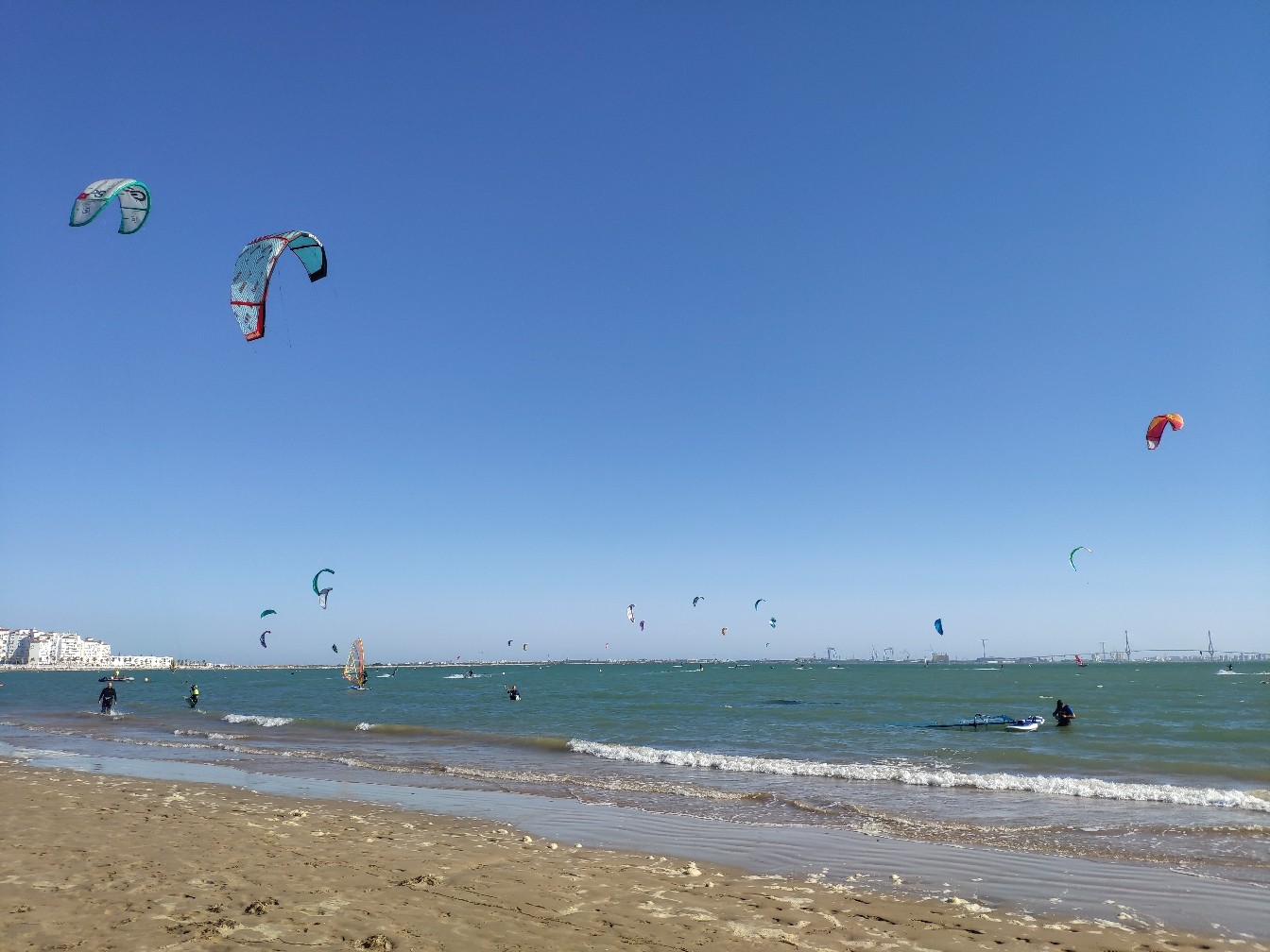
- Good kite forecast: wind 4.5 m/s, gusts 6.3 m/s
- Light wind – experience required (4.5 m/s)
- Significant gusts forecast (6.3 m/s)
- Caution – short wave period (4.5 s)
- High water temperature (25.5°C)
30.06.2026 (Tuesday)
- Good kite forecast: wind 7.5 m/s, gusts 13.6 m/s
- Significant gusts forecast (13.6 m/s)
- Caution – short wave period (6.6 s)
- High water temperature (26.0°C)
01.07.2026 (Wednesday)
- Good kite forecast: wind 7.0 m/s, gusts 12.3 m/s
- Significant gusts forecast (12.3 m/s)
- Caution – short wave period (5.4 s)
- High water temperature (26.1°C)
02.07.2026 (Thursday)
- Good kite forecast: wind 11.2 m/s, gusts 19.9 m/s
- Strong wind – experience required (11.2 m/s)
- Significant gusts forecast (19.9 m/s)
- Caution – short wave period (7.4 s)
- High water temperature (25.7°C)
03.07.2026 (Friday)
- Strong wind – experience required (12.0 m/s)
- High gust forecast (21.0 m/s)
- Caution – short wave period (6.7 s)
- High water temperature (25.3°C)
04.07.2026 (Saturday)
- Strong wind – experience required (11.5 m/s)
- High gust forecast (20.9 m/s)
- Caution – short wave period (6.9 s)
- High water temperature (25.2°C)
New Feature!
We just added Weather Alerts. How was your experience?