26.06.2026 (Friday)
- Caution – short wave (5.4 s)
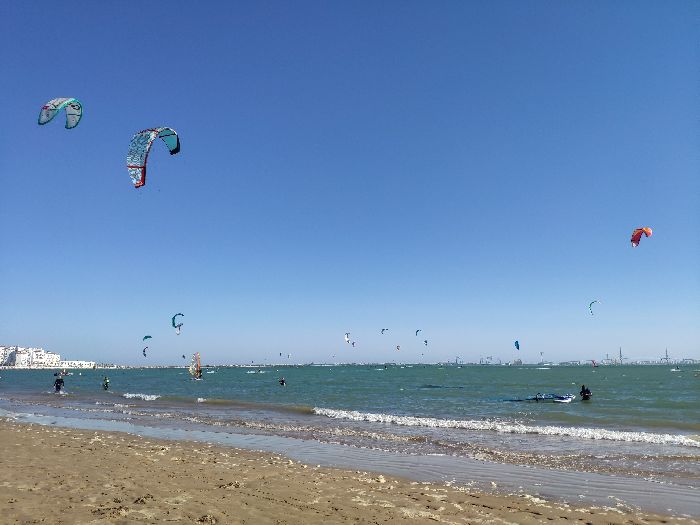
- Moderate wind – experience required (6.4 m/s)
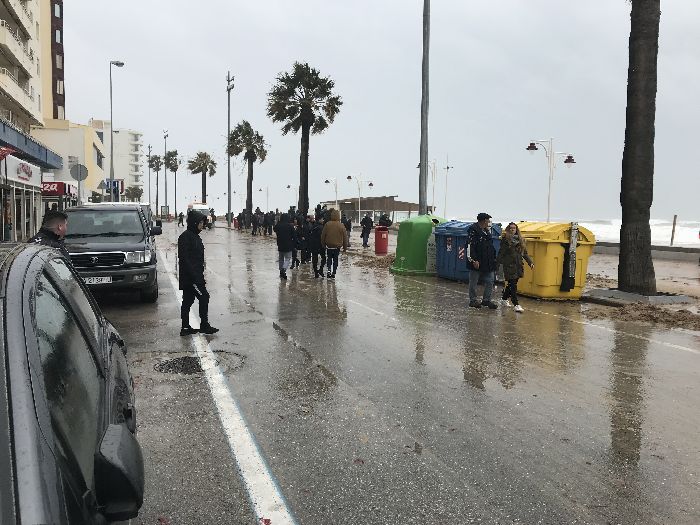
- High tides forecast (2.6 m, LAT)
27.06.2026 (Saturday)
- Moderate wind – experience required (5.4 m/s)
- High tides forecast (2.6 m, LAT)
28.06.2026 (Sunday)
- Moderate wind – experience required (6.4 m/s)
- High air temperature (30.9°C)
29.06.2026 (Monday)
- Caution – short wave (4.7 s)
- Air temperature very high (32.8°C)
- High tides forecast (2.7 m, LAT)
30.06.2026 (Tuesday)
- Caution – short wave (4.8 s)
- Air temperature very high (34.5°C)
- High tides forecast (2.9 m, LAT)
01.07.2026 (Wednesday)
- Caution – short wave (4.2 s)
- Air temperature very high (35.3°C)
- High tides forecast (3.0 m, LAT)
New Feature!
We just added Weather Alerts. How was your experience?